How Does NAD+ Affect Your Microbiome and Gut Health?
Last Updated: 01 May 2026

In this article, we’ll explore how NAD+ might influence your gut health and why it matters. We’ll look at whether a lack of NAD+ could be linked to digestive issues, how it affects the balance of bacteria in your gut and whether your gut microbiome can produce its own supply. We’ll also consider whether taking NAD+ supplements could support a healthier gut, how it might impact you and what you can do to naturally boost your NAD+ levels. If you're thinking about ways to improve your digestive health, this guide will help you understand the potential role of NAD+ and what steps you might want to take next.
Key Takeaways
Here are the five biggest takeaways from this article about NAD+ and how it affects the microbiome:
NAD⁺ supports gut health by strengthening the gut barrier.
A deficiency in NAD⁺ may contribute to digestive problems and microbiome imbalance.
NAD⁺ may influence the production of short-chain fatty acids (SCFAs), which support gut integrity.
Certain microbes in the gut are capable of making NAD⁺ using pathways like the Preiss–Handler pathway. These bacteria may also influence how effectively NAD⁺ supplements are absorbed and used in the body.
Boosting NAD+ through diet, supplements and targeted delivery methods like injections or nasal sprays may benefit gut health.
Can NAD affect your gut health?
Yes, NAD+ can have a significant impact on your gut health. It plays a key role in supporting the cells that line your intestines, helping to maintain a strong and healthy gut barrier. This barrier is essential for keeping harmful substances out of the bloodstream and preventing conditions such as leaky gut.
NAD+ also activates certain proteins known as sirtuins (particularly SIRT1 and SIRT3), which help improve how your gut cells produce energy. These effects support the overall health of the gut lining. Boosting NAD+ levels may help protect the gut and even change the makeup of your microbiome in a positive way.
Low levels of NAD+ have been linked to an imbalance in gut bacteria, known as dysbiosis.
NAD+ deficiency and gut issues
A deficiency in NAD+ can contribute to several gut-related problems, particularly through its effects on the balance of gut bacteria. When NAD+ levels are low damage may occur on the gut lining, a weakened gut barrier and a condition commonly known as ‘leaky gut’ [1].
This can also disrupt the natural balance of bacteria in the gut, creating an environment where harmful bacteria are more likely to thrive, a condition known as dysbiosis.
Learn how your calorie intake can impact your body's natural NAD+ levels.
Emerging research suggests that raising NAD+ levels can help restore your gut barrier. NAD+ plays an important role in maintaining a healthy gut environment by protecting the gut lining and supporting a balanced immune response.
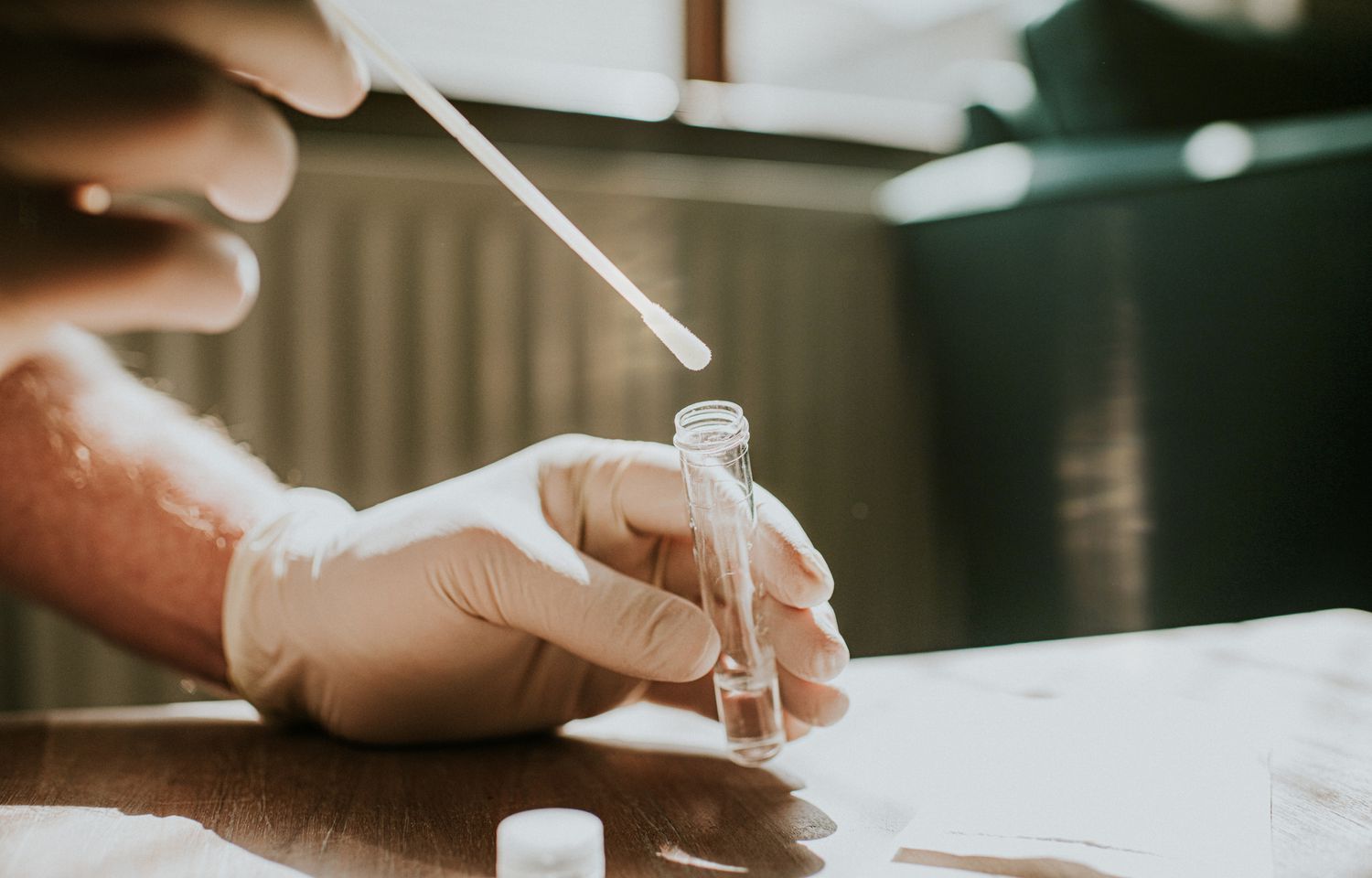
How NAD+ affects your gut microbiome
NAD+ and Gut Microbial Diversity
NAD+ plays an important role in influencing the balance and diversity of bacteria in the gut, an important part of overall digestive and immune health. One of the ways it does this is through the activation of proteins called sirtuins. This helps NAD+ to support the growth of beneficial bacteria and promotes a more stable and diverse gut microbiome [2].
Studies have shown that when NAD+ levels drop, which is usually associated with ageing or chronic health conditions, the gut microbiome can become imbalanced. This imbalance is associated with various health issues, including poor digestion and increased gut permeability [3].
Higher levels of NAD+ may support a richer and more varied microbial community. This diversity is linked not only to better gut health but also to wider benefits such as increased longevity [4]. Maintaining healthy NAD+ levels could be a useful way to support your gut microbiome and overall well-being.
NAD+ and Short Chain Fatty Acids (SCFAs)
NAD+ may also play a role in supporting the production of short-chain fatty acids (SCFAs), such as butyrate, which are vital for gut health. SCFAs are produced when certain gut bacteria break down dietary fibre, and they serve as a primary energy source for the cells lining the colon. Butyrate, in particular, helps to strengthen the gut barrier and support a balanced immune response [5].
Research suggests that increasing NAD+ levels may encourage the growth of beneficial bacteria that produce SCFAs. For example, one pilot study found that supplementing with NAD+ led to changes in gut microbiota that were associated with greater butyrate production [6].
Is the evidence conclusive?
At this stage, the evidence linking NAD+ to gut health is promising but not yet conclusive. The current research is based on animal studies or small-scale human trials, and while they suggest that increasing NAD+ levels may support a healthier gut environment, more large-scale and long-term human studies are needed to confirm these effects and fully understand them. While the evidence so far is encouraging, NAD+ should be seen as a potential area of support for gut health rather than a guaranteed solution.
NAD+ & Gut Health FAQs
Can the gut microbiome produce its own NAD+?
Yes, certain gut bacteria are capable of producing their own NAD+. Research shows that numerous bacterial species within the gut microbiome can synthesise NAD+ using different metabolic pathways, including one called the Preiss-Handler pathway [7]. This means that your gut bacteria not only rely on NAD+ for their own functions but may also contribute to the overall NAD+ environment within the gut.
The ability of these microbes to generate NAD+ plays a role in maintaining a healthy gut ecosystem. It’s important to note that the extent to which bacterial production of NAD+ directly benefits the human body is still being studied, and more research is needed to determine how significant this contribution is.
Can NAD+ supplementation improve your gut health?
NAD+ supplementation may help to support gut health, although the evidence is still developing. These supplements work by increasing levels of NAD+ in the body, which may support the gut lining and promote a more balanced microbiome.
Some research suggests that NAD+ can influence the composition of gut bacteria, as certain microbes are able to metabolise these compounds. This may help encourage the growth of beneficial bacteria, which supports a healthier digestive environment [8]. By improving energy production, higher NAD+ levels may help maintain the integrity of the gut barrier.
Learn more about the best supplements to take in your 30's.
How can I boost my NAD+ levels?
There are several ways you can boost your NAD+ levels, especially as they naturally decline with age. This is partly due to increased demand caused by DNA damage, as well as a reduced ability to recycle NAD+ efficiently. The most effective approach for boosting NAD+ levels often combines lifestyle changes with tailored supplementation.
Use NAD+ Precursors
NR and NMN are commonly used supplements that can help increase NAD+ in the body. However, their effectiveness depends partly on your gut health, as much of the supplement is processed by gut microbes before being absorbed. This means having a healthy microbiome is key to getting the most out of NAD+ supplements.
Support Your Gut Health
Since your gut bacteria help convert NAD+ into usable forms, it’s important to eat a diet rich in fibre and prebiotics such as:
Garlic
Onions
Asparagus
Avoiding ultra-processed foods, excess sugar and alcohol can also help support NAD+ metabolism. Probiotic supplements may also be beneficial, particularly those targeted at restoring balance in the gut.
Try NAD+ Delivery Methods
Vivere NAD+ Pens
These are applied subcutaneously (under the skin) using the Vivere NAD+ injection pen. It is often seen as more beneficial than oral supplements as it avoids the digestive system, meaning more of the NAD+ is absorbed into the body.
Nasal Sprays
These deliver NAD+ through the nasal membrane and can offer quicker absorption, especially for cognitive support.
IV NAD+ Drips
Administered in clinical settings, these deliver a high dose of NAD+ directly into the bloodstream. While effective, they can be time-consuming and are generally reserved for more intensive treatment.
Personalised Approaches
For a more tailored strategy, consider a gut microbiome analysis, like that offered by Vivere. This can identify specific imbalances that might be interfering with your NAD+ metabolism and help guide you to changes that could help.
Final Thoughts from Yusra:
NAD+ plays an important role in gut health by supporting the gut lining, influencing the balance of bacteria in the microbiome. While early research suggests that increasing NAD+ levels, whether through lifestyle changes, supplements or targeted therapies, may improve digestive health, the evidence is still emerging and not yet conclusive.
What is clear, however, is that gut health and NAD+ are closely linked and maintaining a balanced microbiome appears to support how your body processes and benefits from NAD+. By focusing on diet and considering personalised approaches, you may be able to support both your gut and overall wellbeing more effectively.
Vivere helps you take control of your health with personalised insights from state-of-the-art gut microbiome testing, nutritional guidance, science-backed supplements and expert support. Sign up today and start living better, for longer.
Sources
[1] NAD+ Precursors and Intestinal Inflammation: Therapeutic Insights Involving Gut Microbiota - PubMed
[4] NMN Maintains Intestinal Homeostasis by Regulating the Gut Microbiota - PMC
[5] Potential beneficial effects of butyrate in intestinal and extraintestinal diseases - PMC
[6] Dietary supplements for intestinal inflammation - PMC
[8] The therapeutic perspective of NAD+ precursors in age-related diseases - ScienceDirect
Further Reading
Author

Yusra Serdaroglu Aydin, MSc RD
Head of Nutrition and Registered Dietitian
Yusra is a registered dietitian with a multidisciplinary background in nutrition, food engineering, and culinary arts. During her education, her curio...