A-Z Guide to Gut Microbiome and Health
Last Updated: 23 April 2026
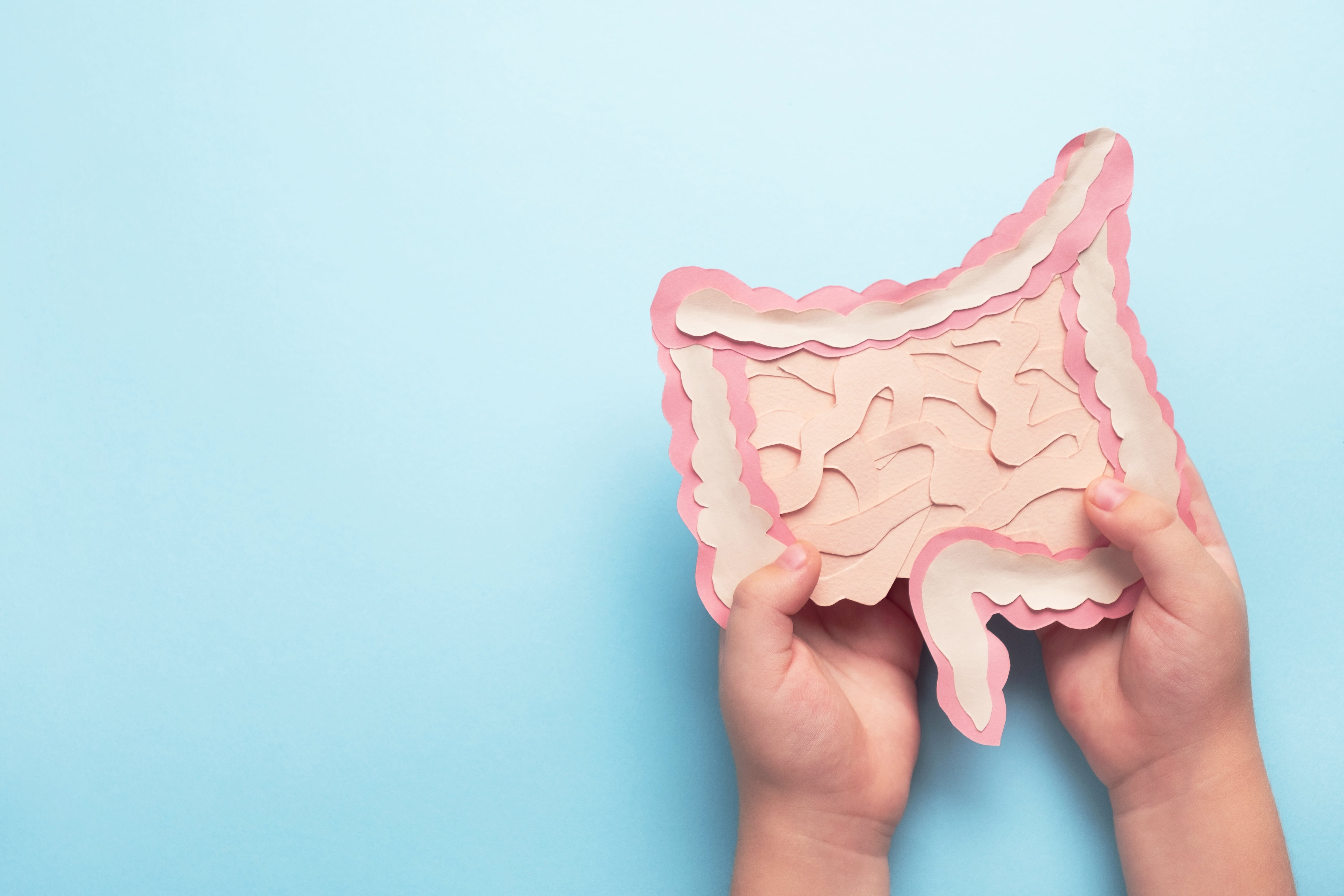
Understanding the gut microbiome is becoming one of the most important foundations of long-term health. Your gut is home to trillions of microorganisms, including bacteria, yeasts and viruses, which work together to influence digestion, immunity, metabolism and mental well-being. Imbalances in the gut microbiome have been linked to conditions ranging from digestive disorders and chronic inflammation to metabolic disease and mood disturbances.
This article is about exploring the A to Z of gut health, helping you understand key terms, concepts and practical ways to support your microbiome for optimal wellbeing.
A - Alpha Diversity
Alpha diversity refers to the variety and abundance of different bacterial species within your gut microbiome. Think of it as measuring how many different types of microorganisms live in your digestive system and how evenly distributed they are. Higher alpha diversity is generally associated with better health outcomes, as it indicates a more resilient and robust gut ecosystem.
A diverse microbiome is better equipped to handle dietary changes, stress and potential pathogenic threats whilst supporting optimal digestion, immune function and overall wellbeing.
B - Biodiversity
Biodiversity in the context of gut health describes the total range of microbial life present in your digestive system, including bacteria, viruses, fungi and other microorganisms. A biodiverse gut is one where multiple species work together to maintain balance and perform essential functions.
This diversity is crucial for metabolic health, immune system development and protection against harmful pathogens. Factors such as diet, antibiotics, stress and lifestyle choices can significantly impact your gut's biodiversity, either enhancing or diminishing it over time.
C - Commensals
Commensals are microorganisms that live in or on your body without causing harm, essentially coexisting peacefully with you as their host. These bacteria benefit from the warm, nutrient-rich environment of your gut whilst you remain unaffected by their presence, in a relationship that is neutral rather than beneficial or harmful.
D - Dysbiosis
Dysbiosis describes an imbalance in your gut microbiome, where harmful bacteria outnumber beneficial ones or overall diversity decreases significantly. This imbalance can result from poor diet, antibiotic use, chronic stress, lack of sleep or various medical conditions. Symptoms of dysbiosis may include bloating, irregular bowel movements, food intolerances, fatigue and increased susceptibility to infections.
Addressing dysbiosis typically involves dietary modifications, prebiotic and probiotic supplementation, stress management and identifying underlying causes with the help of healthcare professionals and relevant testing.

E - E. coli
Escherichia coli, commonly known as E. coli, is a diverse group of bacteria that naturally inhabits the human gut, with most strains being completely harmless. In fact, E. coli plays beneficial roles in your digestive system, including producing vitamin K2 and preventing colonisation by harmful bacteria [1]. However, certain pathogenic strains can cause food poisoning and severe gastrointestinal illness when consumed through contaminated food or water.
F - Fermentation
Fermentation is the process by which gut bacteria break down dietary components that your body cannot digest on its own, particularly various types of fibre and resistant starches. During this process, beneficial bacteria produce valuable compounds including short-chain fatty acids, vitamins and other metabolites that support your health. Fermented foods such as yoghurt, kefir, sauerkraut and kimchi contain live bacteria that can contribute to a healthy gut microbiome whilst also being pre-digested, making nutrients more accessible.
G - Gut
The gut is the digestive tract responsible for digesting food, absorbing nutrients, eliminating waste and housing trillions of microorganisms that make up your gut microbiome. Beyond digestion, it plays a crucial role in immune function, with approximately 70% of your immune system residing in gut-associated lymphoid tissue.
The gut is also connected to your brain through the gut-brain axis, influencing mood, cognition and mental health through neural, hormonal and immunological pathways.
H - Helicobacter pylori
Helicobacter pylori, or H. pylori, is a spiral-shaped bacterium that colonises the stomach lining and affects roughly half of the world's population. This bacterium can cause gastritis, peptic ulcers and increase the risk of stomach cancer in some individuals [2]. A balanced microbiome may help prevent overgrowth.
I - Inflammation
Inflammation in the gut can be acute or chronic, serving as your immune system's response to injury, infection or imbalance in your microbiome. Whilst acute inflammation is a normal healing response, chronic low-grade inflammation can damage the gut lining, increase intestinal permeability and contribute to systemic health problems.
Gut dysbiosis, poor diet, stress and certain medications can all trigger inflammatory responses in the digestive system. Managing gut inflammation through anti-inflammatory foods, adequate fibre, stress reduction and supporting a balanced microbiome is essential for both digestive and overall health.
J - Jejunum
The jejunum is the middle section of your small intestine, positioned between the duodenum and the ileum, where the majority of nutrient absorption occurs. This highly specialised segment features finger-like projections called villi that dramatically increase surface area for absorbing nutrients from digested food.
The jejunum has its own microbial community, though bacterial populations here are generally lower than in the large intestine due to faster transit times and different environmental conditions [3].
K - Keystone Species
Keystone species are gut bacteria that play a critical role in maintaining microbial balance and overall gut health. Examples include Faecalibacterium prausnitzii and Akkermansia muciniphila, which support gut barrier integrity and produce beneficial metabolites that influence the entire microbial community. Protecting and nurturing these keystone species through appropriate diet and lifestyle choices is essential for maintaining a resilient and healthy gut microbiome.
L - Lactobacillus
Lactobacillus is a genus of beneficial bacteria found throughout the human body, particularly in the gut, mouth and vaginal tract. These bacteria produce lactic acid through fermentation, which helps create an acidic environment that inhibits the growth of harmful pathogens. Lactobacillus species are commonly found in fermented foods such as yoghurt, kefir and sauerkraut, and are frequently used in probiotic supplements.
M - Microbiome
The microbiome refers to the entire collection of microorganisms living in and on your body, including bacteria, viruses, fungi, archaea and their genetic material. Your gut microbiome alone contains trillions of microorganisms representing thousands of different species, collectively weighing approximately 1-2 kilograms [4]. Each person's microbiome is unique, influenced by genetics, birth method, early life experiences, diet, environment, medications and lifestyle factors.
N - Nutrients
Nutrients are the compounds your body needs to function properly, including macronutrients such as carbohydrates, proteins and fats, as well as micronutrients like vitamins and minerals. Your gut microbiome plays a crucial role in extracting, producing and modulating nutrients from the food you eat. The relationship between nutrients and gut bacteria is bidirectional, as the types of nutrients you consume directly influence which bacterial species thrive in your digestive system.
Learn the role of a solid nutrition plan in supporting your overall health and well-being.
O - Opportunistic Bacteria
Opportunistic bacteria normally live harmlessly in the gut but can become problematic if the microbiome is imbalanced or the immune system is weakened. They can overgrow during stress, after taking antibiotics or when immunity is compromised. Common examples include certain strains of Clostridium difficile and Candida [5]. Maintaining a diverse and balanced gut microbiome through diet and lifestyle helps keep these bacteria under control.
Learn how you can heal your gut safely after taking antibiotics.
P - Probiotics
Probiotics are live beneficial bacteria or yeasts that support gut balance, digestion and immunity. They are found in fermented foods like yoghurt, kefir, kombucha and kimchi, as well as in targeted supplements. It's important to understand that probiotic effects are strain-specific, meaning different bacterial strains offer different benefits, so choosing the right probiotic for your specific health needs is essential.
Q - Quorum Sensing
Quorum sensing is the way gut bacteria communicate with each other to coordinate their behaviour. By sending chemical signals, bacteria can regulate processes such as growth, metabolism and the formation of protective communities called biofilms [6]. This coordination means that gut bacteria don't act as isolated individuals but rather as communities that can sense their environment and adjust their activities accordingly.
R - Recolonisation
Recolonisation is the process by which beneficial bacteria repopulate your gut after disruptions such as antibiotics, illness or major dietary changes. This can take weeks to months, depending on the severity of the disruption and the support provided. Supporting recolonisation involves eating diverse whole foods, fermented foods, prebiotics and probiotics, while avoiding unnecessary antibiotics or antimicrobial products.
The speed and completeness of recolonisation can significantly affect long-term gut health, making recovery after disturbances a critical window for intervention.

S - Short-chain Fatty Acids (SCFAs)
Short-chain fatty acids are beneficial compounds produced when gut bacteria ferment dietary fibre, with the three main types being butyrate, acetate and propionate. These molecules serve as the primary energy source for the cells lining your colon, helping maintain gut barrier integrity and prevent leaky gut. SCFAs also have anti-inflammatory properties, regulate immune function, influence metabolism and may even affect appetite and weight management through various signalling pathways.
T - Transit Time
Transit time refers to the duration it takes for food to pass through the digestive system. While it varies between individuals, the average is around 28 hours [7], with significant variation depending on diet, hydration, physical activity, and gut microbiome composition. Transit times that are too fast can result in diarrhoea and poor nutrient absorption, whereas excessively slow transit can lead to constipation, increased toxin exposure, and altered microbial composition.
U - Ulcerative Colitis
Ulcerative colitis is a chronic inflammatory bowel disease that causes inflammation and ulcers in the lining of the colon and rectum. Symptoms typically include abdominal pain, bloody diarrhoea, urgency and fatigue, with disease activity fluctuating between periods of remission and flare-ups. Research increasingly points to gut microbiome imbalances playing a significant role in ulcerative colitis, with affected individuals often showing reduced microbial diversity and altered bacterial compositions [8].
V - Vagus Nerve
The vagus nerve connects the brain to the gut, forming the gut-brain axis. This nerve transmits signals in both directions, allowing your gut microbiome to influence mood, cognition and stress responses whilst your brain affects digestive function and gut motility. A healthy microbiome positively influences vagal tone. Supporting it through practices like deep breathing, meditation, cold exposure, and adequate sleep can benefit both gut and mental health.
W - Whole Food
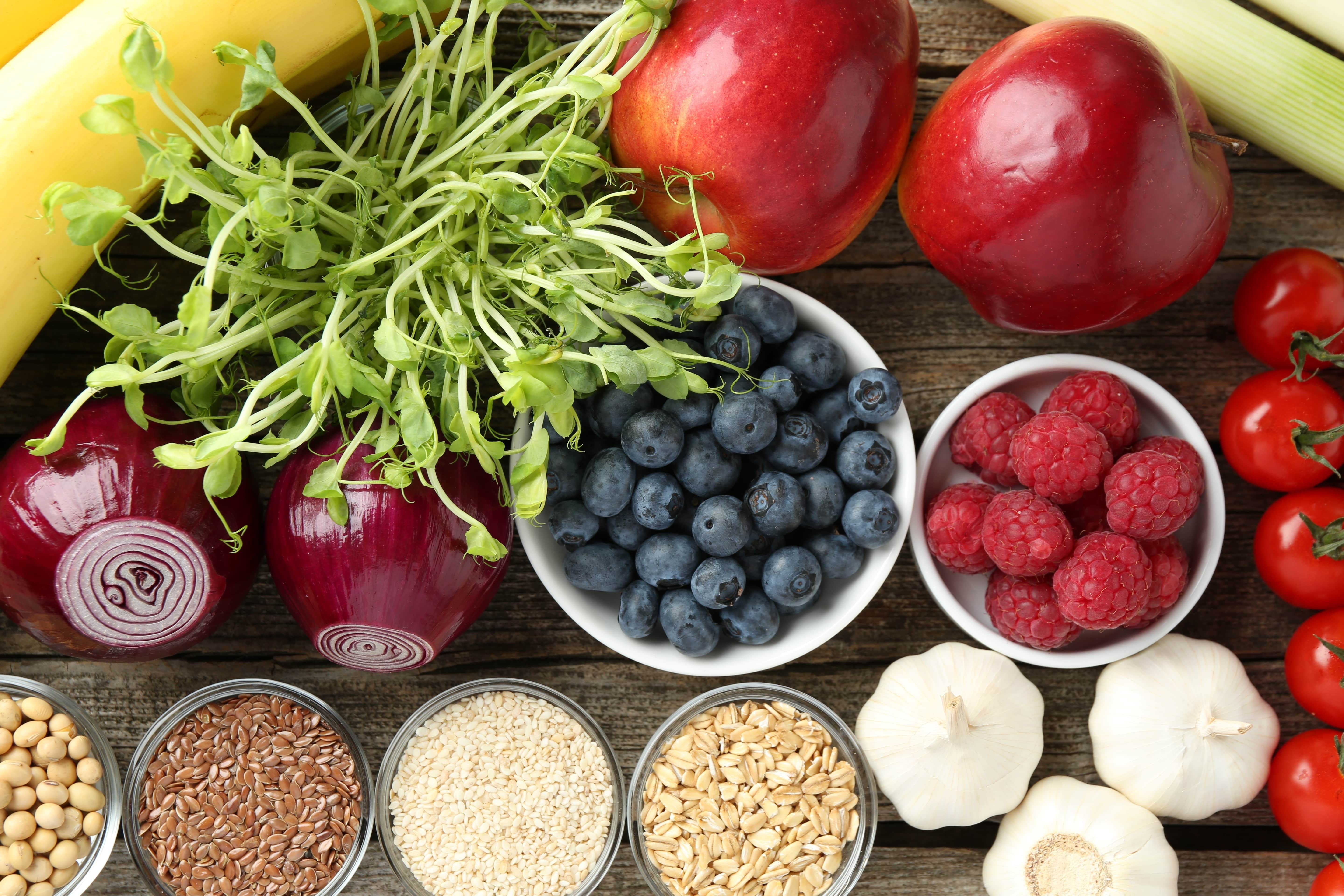
Whole foods are unprocessed or minimally processed, consumed in their natural or near-natural state. Examples include fresh fruits and vegetables, whole grains, legumes, nuts, seeds, eggs, fish and unprocessed meats. These foods provide not just isolated nutrients but complete packages of fibre, vitamins, minerals, phytochemicals and other compounds that work synergistically to support health. For your gut microbiome, whole foods are particularly important because they contain diverse fibres and polyphenols that feed beneficial bacteria, whereas highly processed foods often lack these essential components and may even promote harmful bacterial growth.
X - Xylo-oligosaccharides (XOS)
Xylo-oligosaccharides are prebiotic fibres that feed beneficial gut bacteria. They promote the growth of Bifidobacteria and other good microbes. XOS are found naturally in bamboo shoots, fruits, vegetables, milk and honey, though usually in small amounts. Research suggests that XOS supplementation can selectively stimulate beneficial bacteria, improve bowel regularity, enhance mineral absorption and support immune function, making them an increasingly popular ingredient in functional foods and supplements [9].
Y - Yeasts
Yeasts are fungi that naturally inhabit your gut microbiome alongside bacteria, though in much smaller numbers. The most common gut yeast is Candida, which typically exists harmlessly but can overgrow and cause problems when gut balance is disrupted or immunity is compromised.
Not all yeasts are harmful though, with Saccharomyces boulardii being a beneficial yeast used as a probiotic to prevent and treat various digestive issues, particularly antibiotic-associated diarrhoea [10]. Maintaining a balanced gut ecosystem through a diverse diet and avoiding unnecessary antibiotic use helps keep yeast populations in check whilst allowing them to contribute to overall microbial diversity.
Z - Zonulin
Zonulin is a protein that regulates the permeability of tight junctions between cells in your intestinal lining. When levels increase, tight junctions loosen, potentially allowing bacteria, toxins and undigested food particles to pass through the gut barrier into your bloodstream. This increased intestinal permeability, often called leaky gut, is associated with various health conditions, including autoimmune diseases, inflammatory bowel disease and metabolic disorders.
Sources
[1] Escherichia coli Small Molecule Metabolism at the Host-Microbe Interface - PMC
[2] Helicobacter pylori and Gastric Cancer: Factors That Modulate Disease Risk - PMC
[4] 20 Things you Didn’t Know About the Human gut Microbiome - PMC
[5] Interspecies Interactions between Clostridium difficile and Candida albicans - PMC
[6] Communication is the key: biofilms, quorum sensing, formation and prevention - PMC
[7] Advancing human gut microbiota research by considering gut transit time - PMC
[9] Xylo-Oligosaccharides, Preparation and Application to Human and Animal Health: A Review - Frontiers
[10] Saccharomyces boulardii: What Makes It Tick as Successful Probiotic? - PMC
Author

Yusra Serdaroglu Aydin, MSc RD
Head of Nutrition and Registered Dietitian
Yusra is a registered dietitian with a multidisciplinary background in nutrition, food engineering, and culinary arts. During her education, her curio...