Keto Diet (Ketogenic Diet)
The Keto Diet, short for the ketogenic diet, is a very low-carbohydrate, high-fat nutritional plan designed to fundamentally shift how your body sources its energy. By drastically reducing carbohydrate intake and replacing those calories with dietary fat, you force your body to transition away from burning glucose (sugar) and begin metabolising stored fat for its primary fuel. This metabolic shift has made the diet highly popular for weight management and metabolic health, though it was originally developed in the 1920s as a medical therapy to treat epilepsy[1].
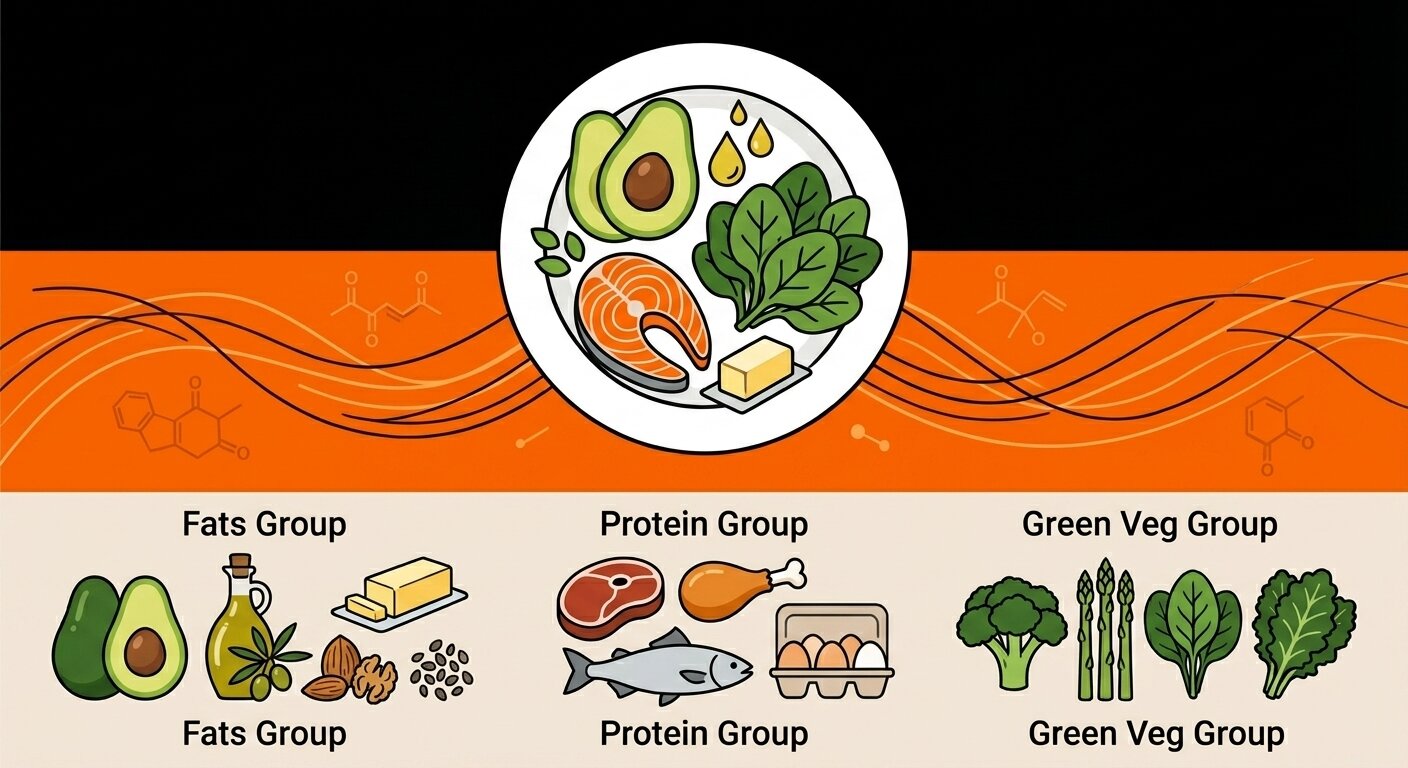
How the Keto Diet Works: Understanding Ketosis
Ketosis is the metabolic state your body enters when carbohydrate intake is drastically reduced, forcing the liver to break down fat into molecules called ketones to use for energy[2]. Under normal circumstances, your digestive system breaks down carbohydrates into glucose, which your cells use for quick fuel. When you restrict carbohydrates to under 50 grams per day, your body quickly depletes its stored glucose reserves (glycogen). In response, the liver begins converting dietary and body fat into ketones, which then serve as a highly efficient energy source for the brain and muscles.
Types of Ketogenic Diets
There are several variations of the keto diet, each adjusting the ratio of macronutrients to suit different activity levels, lifestyles, and health goals. The standard approach is the most researched, but modifications exist for athletes and those requiring more flexibility.
| Diet Variation | Macronutrient Breakdown | Best Suited For |
|---|---|---|
| Standard Ketogenic Diet (SKD) | 70% to 75% fat, 20% protein, and 5% to 10% carbohydrates. | Beginners and individuals seeking steady weight loss or metabolic health improvements. |
| Targeted Ketogenic Diet (TKD) | Standard keto baseline, but allows for 20 to 30 grams of carbohydrates immediately before intense workouts. | Active individuals and gym-goers who need short bursts of explosive energy. |
| Cyclical Ketogenic Diet (CKD) | Involves cycling periods of strict keto (e.g. 5 days) followed by high-carbohydrate refeeding days (e.g. 2 days). | Advanced athletes and bodybuilders aiming to replenish muscle glycogen stores. |
| High-Protein Ketogenic Diet | 60% fat, 35% protein, and 5% carbohydrates. | People aiming to preserve or build muscle mass while losing body fat. |
Health Benefits and Weight Management
Following a ketogenic lifestyle primarily promotes weight loss by keeping insulin levels low and increasing the body's natural fat-burning capabilities. Insulin is a fat-storage hormone; by removing the carbohydrates that trigger insulin spikes, the body can more easily access and burn stored body fat.
Beyond weight management, metabolic therapies like the keto diet are gaining traction in clinical settings. In the UK, where roughly one in ten adults over 40 is living with Type 2 diabetes, low-carbohydrate approaches are increasingly recognised for their ability to help stabilise blood sugar levels[3]. Other potential benefits include enhanced mental clarity (as the brain utilises ketones efficiently) and a natural reduction in appetite due to the high satiating effect of dietary fats and proteins[4].
Potential Risks and The Keto Flu
The transition into ketosis often triggers temporary side effects, commonly known as the keto flu[5], due to rapid changes in fluid and electrolyte balance. As your body sheds stored glycogen, it also sheds a significant amount of water, taking essential minerals like sodium, potassium, and magnesium with it.
Common symptoms during the first few days of adaptation include:
- Headaches and brain fog
- Physical fatigue and muscle cramps
- Nausea and digestive discomfort
- Irritability and sugar cravings
These symptoms can usually be mitigated by staying properly hydrated and actively replenishing electrolytes. However, the keto diet is not suitable for everyone. Individuals with conditions affecting the liver, pancreas, or gallbladder should avoid this dietary pattern[6], and anyone taking medication for blood pressure or blood sugar must consult their GP before making drastic changes.
Foods to Eat and Avoid on a Keto Diet
To stay in a state of ketosis, you must consume a diet rich in healthy fats, moderate in protein, and extremely low in carbohydrates. Tracking your daily intake of macronutrients is essential, especially in the beginning.
Foods to Build Your Meals Around
- Healthy Fats: Extra virgin olive oil, avocado oil, butter, ghee, and heavy cream.
- Proteins: Grass-fed meat, poultry, eggs, and oily fish (like salmon and mackerel).
- Low-Carb Vegetables: Leafy greens (spinach, kale), broccoli, cauliflower, and courgettes.
- Nuts and Seeds: Macadamia nuts, almonds, walnuts, chia seeds, and flaxseeds.
Foods to Strictly Avoid
- Sugary Foods: Sweets, cakes, fizzy drinks, fruit juices, and honey.
- Starches and Grains: Bread, pasta, rice, oats, and breakfast cereals.
- Root Vegetables: Potatoes, sweet potatoes, and parsnips.
- Most Fruits: Apples, bananas, oranges (small portions of berries are generally acceptable).
Nutritionist's Corner: Final Thoughts
'While the ketogenic diet is a powerful tool for rapidly improving insulin sensitivity and shifting stubborn weight, it is not a one-size-fits-all solution. Restricting an entire macronutrient group requires careful planning to ensure you do not miss out on vital micronutrients and dietary fibre. I always recommend focusing on healthy, unsaturated fats like olive oil and avocados, rather than relying heavily on saturated animal fats like bacon and butter. For long-term success and gut health, it is crucial to include plenty of low-carbohydrate vegetables and stay well hydrated. Always consult with a healthcare professional before starting keto, especially if you have an underlying medical condition.'
Yusra Serdaroglu Aydin, MSc RD
References
Author

Yusra Serdaroglu Aydin, MSc RD
Head of Nutrition and Registered Dietitian
Yusra is a registered dietitian with a multidisciplinary background in nutrition, food engineering, and culinary arts. During her education, her curio...