ATP (Adenosine Triphosphate)
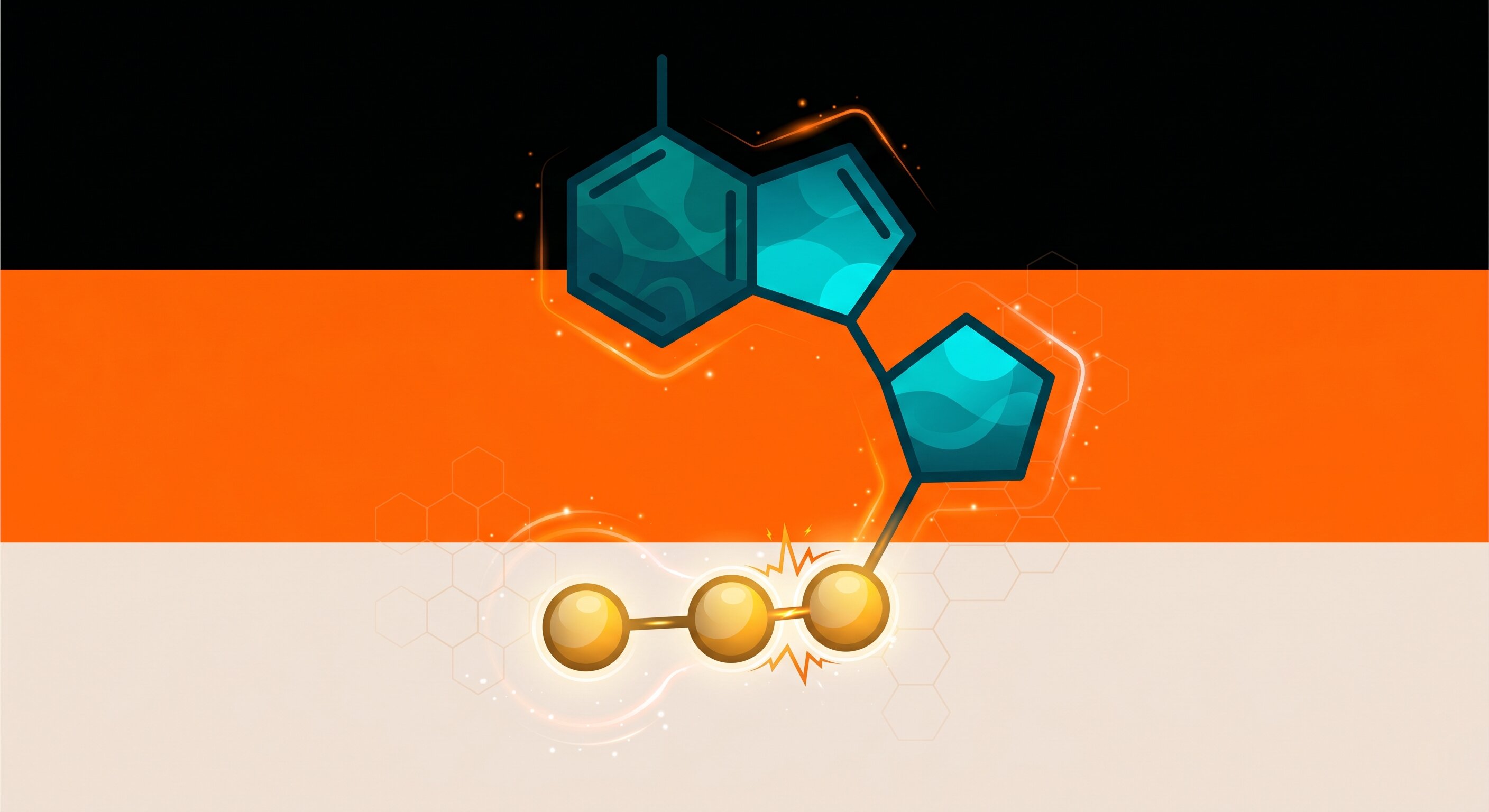
What is ATP and what does it do?
Adenosine triphosphate (ATP) is the primary energy-carrying molecule found in the cells of all living things, acting as the main source of fuel for virtually every biological process in your body[2]. When people ask what is ATP and what does it stand for, the answer is that it represents the fundamental power source that keeps your cells functioning. The standard biology definition of ATP describes it as a complex organic chemical that provides energy to drive many processes in living cells, while also acting as a critical signalling molecule between those cells[1]. To understand the ATP bio meaning in simple terms, think of it as a rechargeable battery that your body uses to power everything from physical movement to complex brain functions.
If you are exploring adenosine triphosphate biology, you will find that these biological molecules are essential for survival. You might wonder exactly what the letters ATP mean in a medical context. The acronym ATP stands for adenosine triphosphate, which highlights its chemical composition. In the field of ATP biotechnology, scientists continually study this molecule to better understand metabolic diseases, cellular ageing, and innovative ways to boost human energy levels.
What is ATP made up of?
The structure of ATP consists of three main biochemical components: a nitrogenous base called adenine, a five-carbon sugar named ribose, and a reactive chain of three phosphate groups attached to the ribose[2]. This specific ATP molecule structure is critical because the bonds holding these phosphate groups together store a massive amount of potential energy[3]. When we look at what is in ATP, it is this unique combination of chemical building blocks that allows the molecule to hold and transfer energy so efficiently. Understanding the basic structure of ATP helps clarify why your body relies on specific dietary nutrients to keep synthesising this vital molecule.
How is ATP created in your cells?
ATP is produced primarily within the mitochondria of your cells through a complex metabolic process known as cellular respiration. If you are curious about how is ATP made, your body breaks down the food you eat, particularly carbohydrates and fats, and converts those nutrients into usable cellular energy. To understand how ATP is produced on a daily basis, it helps to know that the process requires a steady supply of oxygen and glucose to facilitate the synthesis and storage of these high-energy molecules[3]. The UK National Health Service recommends eating a balanced diet rich in complex carbohydrates and lean proteins because these macronutrients provide the exact raw materials needed for optimal ATP production.
There are three main stages explaining how is ATP created during cellular respiration:
- Glycolysis: Glucose is broken down in the cell cytoplasm, creating a small amount of ATP.
- The Krebs Cycle: This occurs in the mitochondria and processes the broken-down glucose to release energy-carrying particles.
- Oxidative Phosphorylation (Electron Transport Chain): This final stage produces the vast majority of the ATP your body uses[3].
What does adenosine triphosphate do in the body?
Adenosine triphosphate drives essential bodily functions by transferring its stored energy to specific cells, enabling muscle contractions, nerve impulse propagation, and chemical synthesis. When considering what does ATP do, it is responsible for making sure your heart beats, your lungs expand, and your digestive system breaks down food, while also regulating broader organ functions and nervous system signals[1]. The various uses of ATP extend to repairing damaged tissues and building new proteins. In human ATP biology, if you ask what is ATP used for during a workout, it is the exact molecule that allows your muscle fibres to contract, generating the tension needed to lift weights or run[4]. Knowing what does ATP stand for in biology helps you appreciate its role as the universal energy currency across all forms of life.
How is the energy in ATP released?
The energy in ATP is released when the chemical phosphor-oxygen bond connecting its third phosphate group is broken by an enzyme, transforming the molecule into adenosine diphosphate (ADP) and releasing usable work energy[2]. This continuous process is known as the ATP and ADP cycle. When the body needs power, it removes a phosphate, which releases a burst of energy. The cycle of ATP is incredibly efficient, synthesising and hydrolysing the molecule across various cellular environments[3]. Once the energy is spent, the remaining ADP travels back to the mitochondria where it reattaches to a new phosphate group, thus completing the adenosine triphosphate cycle. Understanding ATP and ADP dynamics is vital for anyone looking to improve their physical endurance or metabolic health.
| Feature | ATP (Adenosine Triphosphate) | ADP (Adenosine Diphosphate) |
|---|---|---|
| Phosphate Groups | Three | Two |
| Energy State | High energy (fully charged battery) | Low energy (depleted battery) |
| Primary Function | Releases energy for cellular work | Waits to be recharged into ATP |
Nutritionist's Corner: Final Thoughts
"Adenosine triphosphate is your body's non-negotiable energy source, powering everything from your daily commute to your deepest sleep cycles. To keep your ATP production running efficiently, you must prioritise a balanced diet rich in essential nutrients, like omega-3 polyunsaturated fatty acids and B-vitamins, which directly support mitochondrial bioenergetics[6]. Combine this with regular cardiovascular exercise to increase your mitochondrial density, and adequate rest to allow the ATP and ADP cycle to recover fully. Protecting your cellular energy through optimal dietary habits is the very foundation of long-term health and vitality[5]."- Yusra Serdaroglu Aydin, MSc RD
References
Author

Yusra Serdaroglu Aydin, MSc RD
Head of Nutrition and Registered Dietitian
Yusra is a registered dietitian with a multidisciplinary background in nutrition, food engineering, and culinary arts. During her education, her curio...